Diagnostics Used
To assess injuries and guide treatment, your care team may use:
These help identify the extent of injury and guide treatment planning.
Orthopaedic trauma focuses on injuries affecting bones, joints, muscles, and surrounding structures after accidents or serious trauma. If you are referred for orthopaedic trauma care, it is usually because an injury is affecting movement, stability, or function.
Care is designed to stabilise injuries, restore alignment, and support recovery. Some injuries can be managed without surgery, while others require urgent procedures to repair or stabilise damaged bones and joints.
Orthopaedic trauma includes both emergency and restorative procedures. Common interventions include:
You may require orthopaedic trauma care if you experience:
Your care will follow a structured process:
Comprehensive tools and resources to guide your treatment and recovery.
To assess injuries and guide treatment, your care team may use:
These help identify the extent of injury and guide treatment planning.
You may receive support such as:
You are supported by a coordinated trauma system that combines emergency assessment, imaging, surgical care, and rehabilitation support. This allows injuries to be stabilised quickly and managed through a structured recovery pathway.
Care is designed to restore movement and function while supporting safe recovery over time.
Expert specialists dedicated to your care.
Search the Orthopaedic Trauma team by name, role or keyword.
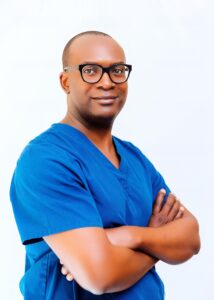
No specialists match your search — try a different name or keyword.
Not always. Some fractures can heal with non-surgical treatment, while others require stabilisation or fixation.
You should seek assessment as soon as possible if you have severe pain, swelling, deformity, or difficulty moving.
Recovery depends on the injury and treatment, but rehabilitation is often an important part of recovery.
Many patients recover well with appropriate treatment and rehabilitation, although this depends on the severity of the injury.
You may continue with rehabilitation, follow-up imaging, and physiotherapy to support healing and recovery.
Speak to a Nakasero surgical specialist this week — or call our 24/7 line if you need care right now.