Pneumonia
An infection that causes inflammation in the lungs and can affect breathing, oxygen levels, and overall health.

Critical care medicine focuses on patients who require close monitoring and advanced medical support due to serious illness, injury, or complications. If you or your loved one is admitted to critical care, it is usually because the condition requires continuous observation and specialised support.
Care is delivered in highly monitored environments such as the Intensive Care Unit (ICU) or High Dependency Unit (HDU). The goal is to stabilise vital functions, manage complex conditions, and support recovery through coordinated care.
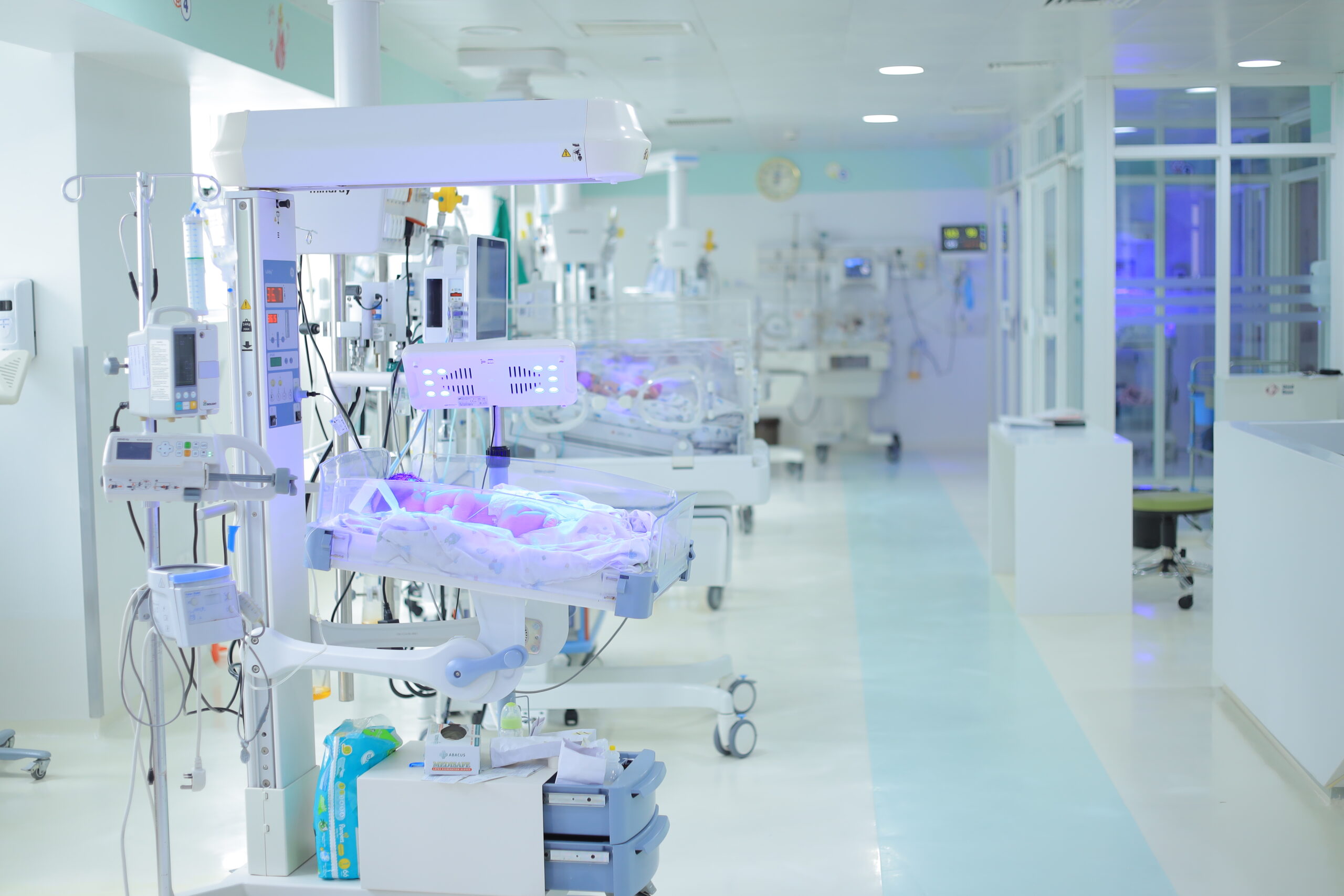
Critical Care Medicine manages a range of conditions, including:
An infection that causes inflammation in the lungs and can affect breathing, oxygen levels, and overall health.
A condition where a baby is born earlier than expected, often requiring additional monitoring, developmental support, and specialised newborn care.
A condition where a baby is born weighing less than expected and may require additional monitoring, feeding support, and neonatal care.
A condition where a blood clot forms in a deep vein, usually in your leg, which can block blood flow and lead to serious complications if untreated.
A condition that affects the airways in your lungs, causing episodes of wheezing, coughing, chest tightness, and difficulty breathing.
A symptom where breathing feels difficult, uncomfortable, or insufficient, sometimes occurring suddenly or developing gradually over time.
Neurological conditions that cause repeated seizures or unusual electrical activity in the brain, affecting movement, awareness, behaviour, or consciousness.
A pregnancy requiring closer monitoring and specialist support because of factors that may increase the risk of complications for the mother, baby, or both.
Health conditions that develop during pregnancy and may affect the wellbeing of the mother, baby, or both, requiring closer monitoring, treatment, or specialist support.
A condition where blood flow to part of your brain is interrupted, leading to sudden loss of function and requiring urgent medical attention.
A condition where the heart muscle becomes weakened, enlarged, stiff, or less effective at pumping blood throughout the body.
A condition where your heart is not able to pump blood effectively, leading to symptoms such as fatigue, shortness of breath, and fluid build-up.
A condition where your heart beats too fast, too slow, or irregularly, which can affect how well blood is circulated through your body.
Critical care medicine includes continuous monitoring and advanced supportive care. Common interventions include:
You may require critical care if you:
Your care will follow a structured process designed to provide continuous support.
Comprehensive tools and resources to guide your treatment and recovery.
To guide treatment and monitoring, your care team may use:
These help assess changes quickly and guide treatment decisions.
You may receive support such as:
You are supported by a coordinated critical care system designed for continuous monitoring, rapid response, and multidisciplinary management. This allows for early recognition of changes in condition and timely intervention when needed.
Care is structured to support stabilisation, recovery, and safe transition into the next stage of treatment.
ICU provides the highest level of monitoring and support, while HDU is used for patients who still need close observation but at a lower level of intensity.
Critical care is needed when a condition requires continuous monitoring or advanced medical support.
Visitation depends on the patient’s condition and hospital policies designed to support safety and recovery.
This depends on the condition and how quickly recovery progresses.
Patients may move to another ward, continue rehabilitation, or receive ongoing specialist care depending on recovery needs.
Speak to a Nakasero surgical specialist this week — or call our 24/7 line if you need care right now.